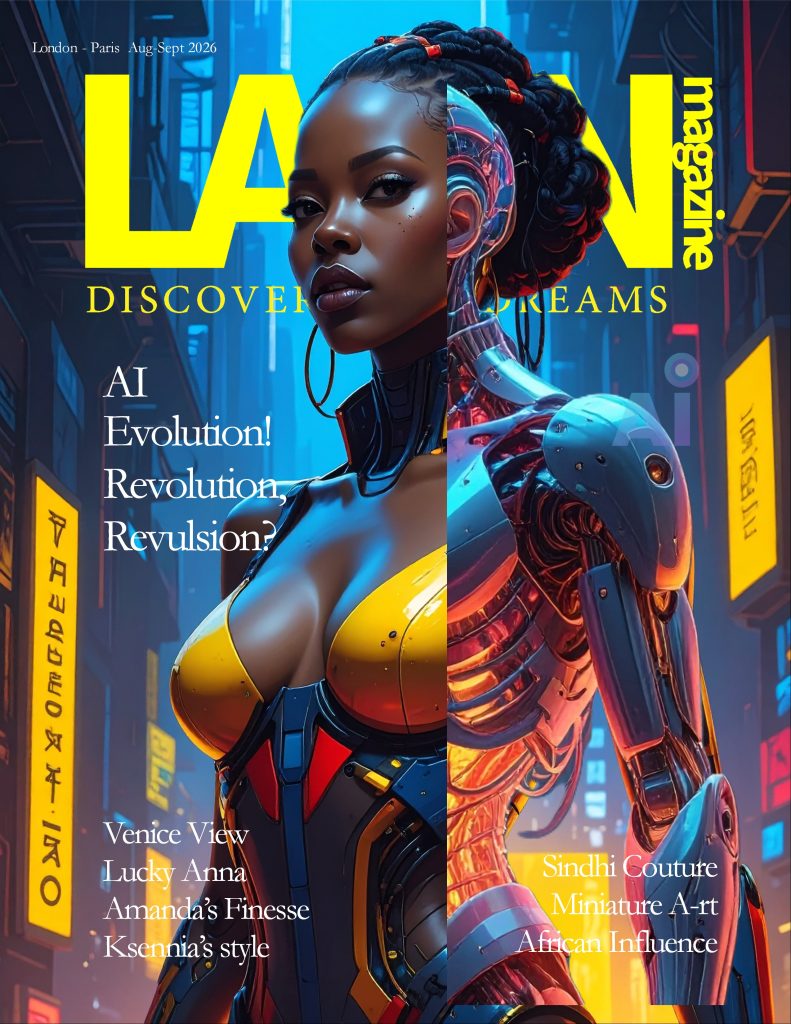

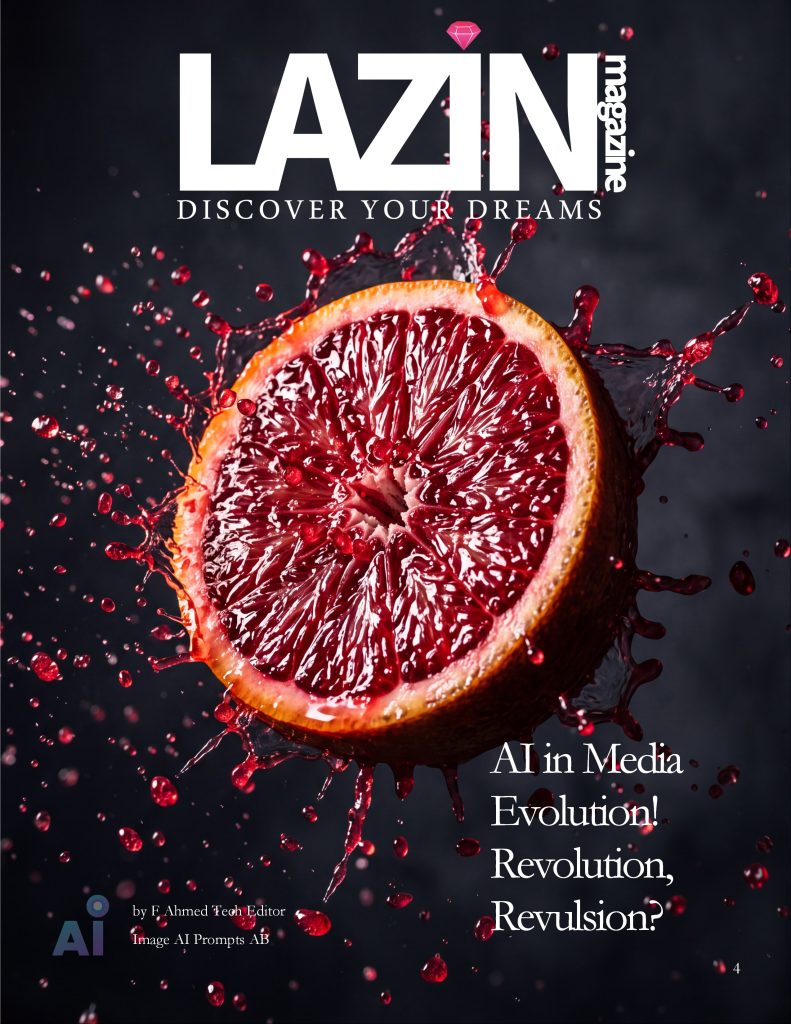
Evolution! Revolution, Revulsion?
by F Ahmed – AI Prompts AB
AI’s influence on media is best understood as a three‑headed creature: one head whispering evolution, one shouting revolution, and one snarling revulsion. The industry’s current drama comes from all three speaking at once.
AI has been creeping into media for years – recommendation engines, automated captions, predictive analytics. This is the soft power phase, where algorithms simply nudge us toward what we might like next. It’s the kind of change that feels natural, almost inevitable.
Algorithmic curation now shapes what we watch more than any editor ever did. Automated production trims costs and accelerates workflows. Personalised storytelling hints at a future where narratives bend to each viewer. This is evolution: incremental, subtle, and – depending on your tolerance for machine mediation – comfortingly efficient.
Then there’s the part that feels like a cultural earthquake. Generative AI didn’t just enter the room; it kicked the door off its hinges. Suddenly:
Synthetic actors can headline films, AI-written scripts can mimic human nuance frighteningly well, Deepfake journalism threatens the very idea of truth.
This is revolution: fast, destabilising, and impossible to ignore. It’s the moment when creators ask whether they’re collaborating with a tool – or competing with it.
Revulsion toward AI in media comes from a deep emotional recoil—a sense that technology is sprinting ahead while trust limps behind. For many, AI triggers an instinctive nope: authenticity feels threatened when anything can be generated on demand, creative workers fear becoming optional as automation accelerates, and biases risk being amplified rather than corrected. It’s a cultural flinch, a reminder that when innovation moves too fast, the human response is often to pull back. .
AI in media isn’t one story – it’s a collision of three. Evolution explains how we got here. Revolution explains why everything suddenly feels unstable. Revulsion explains the cultural unease simmering beneath the excitement.
The real question is not which of the three dominates, but how long the industry can sustain all three at once. Media has always reinvented itself, but rarely with a tool that can both empower and unsettle so profoundly.